

About Us
Uniting the organizations and advocates working to change how America treats obesity.
The Obesity Care Advocacy Network (OCAN) was formally announced during ObesityWeek® 2015. Our founding members formed an advocacy network to change how we perceive and approach obesity in the U.S.
OCAN works to increase access to evidence-based obesity treatments by uniting key stakeholders and the broader obesity community around significant education, policy and legislative efforts.

Mission
OCAN’s mission is to unite and align stakeholders around obesity-related education, federal policy and legislative efforts in order to advance recognition of obesity as a chronic, relapsing disease on the national agenda. to change how the nation perceives and approaches obesity in the United States. We seek to elevate obesity on the national agenda by uniting and aligning obesity stakeholders and the community around key obesity-related efforts.
Vision
OCAN’s vision of is for obesity to be recognized as a complex chronic disease so that individuals have access to evidence-based screening, care, and treatment on par with other chronic diseases.
Who We Are
OCAN is a diverse group of organizations that have come together to change how obesity is perceived and approached in the U.S.
Member Organizations




























Our Leadership
-
Catherine Ferguson, Co-Chair
American Diabetes Association, Vice President, Federal Advocacy
Catherine Ferguson is Vice President of Federal Advocacy at the American Diabetes Association (ADA), where she draws on more than 20 years of state and federal policy experience to advance solutions for chronic and infectious disease prevention, care, and treatment. She previously led governance for a rural Montana health system and served on the U.S. Senate Finance Committee staff, where she helped pass landmark legislation including the Affordable Care Act.
-
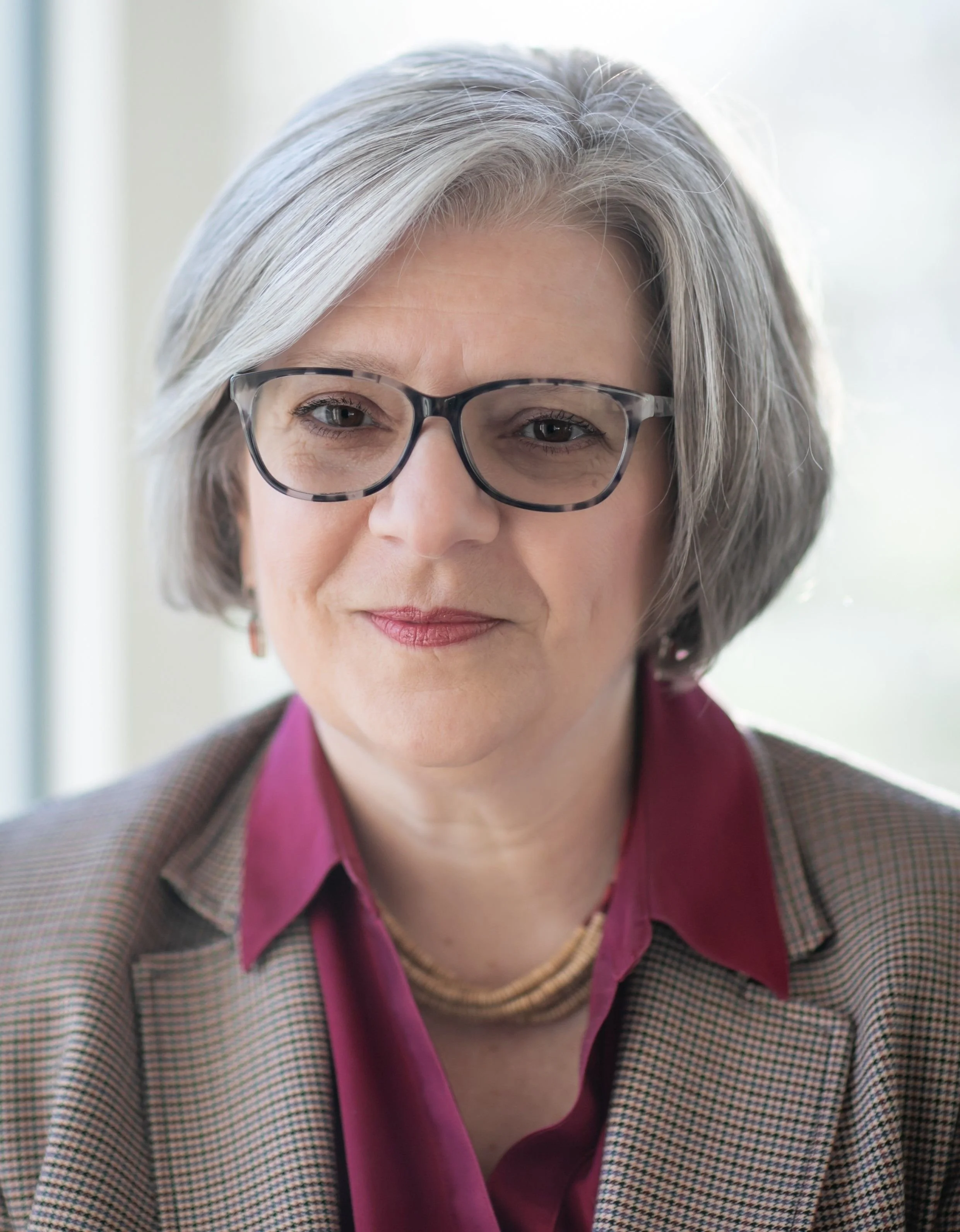
Dorothea Vafiadis, Co-Chair
National Council on Aging, Senior Director
Dorothea Vafiadis is Senior Director of the Center for Healthy Aging at the National Council on Aging (NCOA), leading a team of 18 staff across three federal grant projects and two national resource centers. Her work spans obesity education campaigns, the Obesity Bill of Rights, and policy advocacy for older adults’ health and well-being. She brings more than 25 years of public health, government, and nonprofit experience, including a prior leadership role directing Healthy Living strategy at the American Heart Association and a tenure as a senior nutritionist at the USDA Center for Nutrition Policy and Promotion.
-

Cristy Gallagher, MPAff, OCAN Coordinator
Sumner M. Redstone Global Center for Prevention and Wellness, Milken Institute School of Public Health, George Washington University, Senior Center Administrator
Christine serves as the Coordinator for OCAN. She has spent over 25 years working in Washington DC on health, human services, and education policy. She is currently the Associate Director for Research and Policy for the STOP Obesity Alliance at the Milken Institute School of Public Health at the George Washington University. Her research on obesity treatment and coverage has been published in the journal Obesity. She has a Master’s in Public Affairs from the University of Texas’ LBJ School of Public Affairs.
-

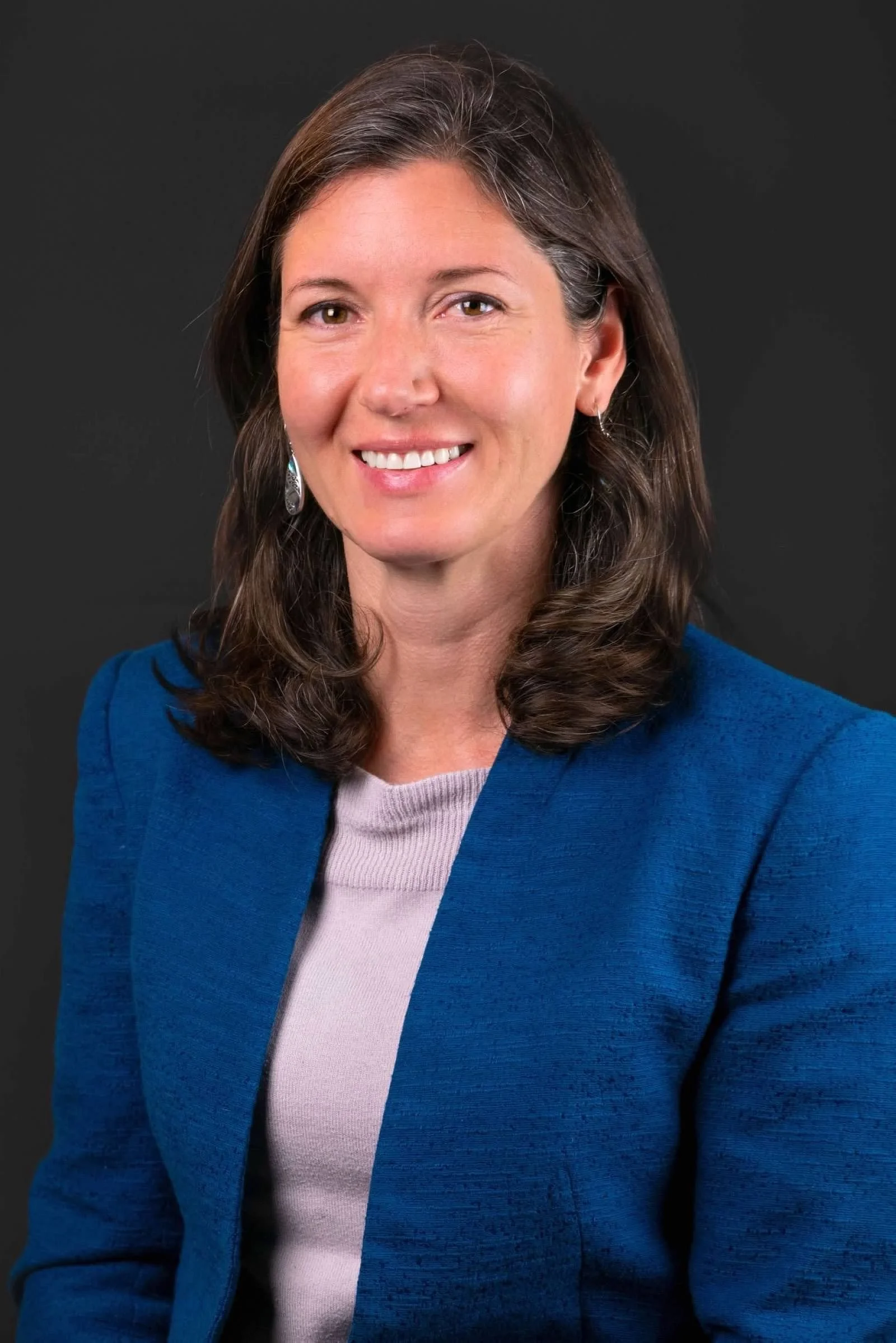
Tracy Zvenyach, PhD, MS, RN, Co-Chair
Obesity Action Coalition, Director, Policy Strategy & Alliances
Dr. Tracy Zvenyach is Director of Policy Strategy and Alliances at the Obesity Action Coalition (OAC), where she leads policy priorities and represents OAC in national coalition efforts to advance obesity care. She also teaches healthcare policy and advocacy as an Adjunct Assistant Professor at Georgetown University, following a career that includes obesity policy leadership in industry and years on U.S. Senate staff. Dr. Zvenyach holds a BS in nursing from the University of Wisconsin and an MS and PhD in Health Policy from the University of Maryland.


Get Involved
Interested in joining the Obesity Care Advocacy Network (OCAN)? Our membership comprises obesity-related disease organizations, provider organizations, patient advocacy groups and industry partners .