

What Is Obesity?
Obesity is a chronic, complex disease—not a personal failing.
Obesity is a chronic disease that can affect the body’s natural signals for hunger, fullness, and cravings, making weight management more difficult for some people.
OBESITY IS MORE THAN BEING OVERWEIGHT
Obesity is more than a number on the scale.
Overweight and obesity describe different levels of excess body weight, but obesity is a chronic disease involving changes in the way the body regulates hunger, fullness, cravings, and energy balance.
For some people living with obesity, the signals that help regulate eating and fullness may not work the way they should. That can make managing weight much harder than simply “eating less” or “trying harder.”

HUNGER CAN PERSIST
For some, the sense of hunger never fully quiets—even after eating.

FULLNESS MAY NOT FEEL THE SAME
Satiation is not realized or is delayed, making it harder to recognize or maintain a feeling of fullness.

CRAVINGS & “FOOD NOISE” CAN CONTINUE
Thoughts about food and cravings can persist even when someone isn’t physically hungry. This ongoing pull toward food is sometimes called “food noise.”
THIS ISN’T ABOUT WILLPOWER
Obesity involves complex biological processes that affect appetite, metabolism, and the brain’s response to food. Like other chronic diseases, it may require ongoing, individualized care.

BMI IS ONE TOOL—NOT THE WHOLE PICTURE
BMI can help identify people who may have obesity, but it does not measure body fat directly or capture an individual’s overall health. Providers consider other factors when determining appropriate care.
A CHRONIC DISEASE
Caring for the whole person.
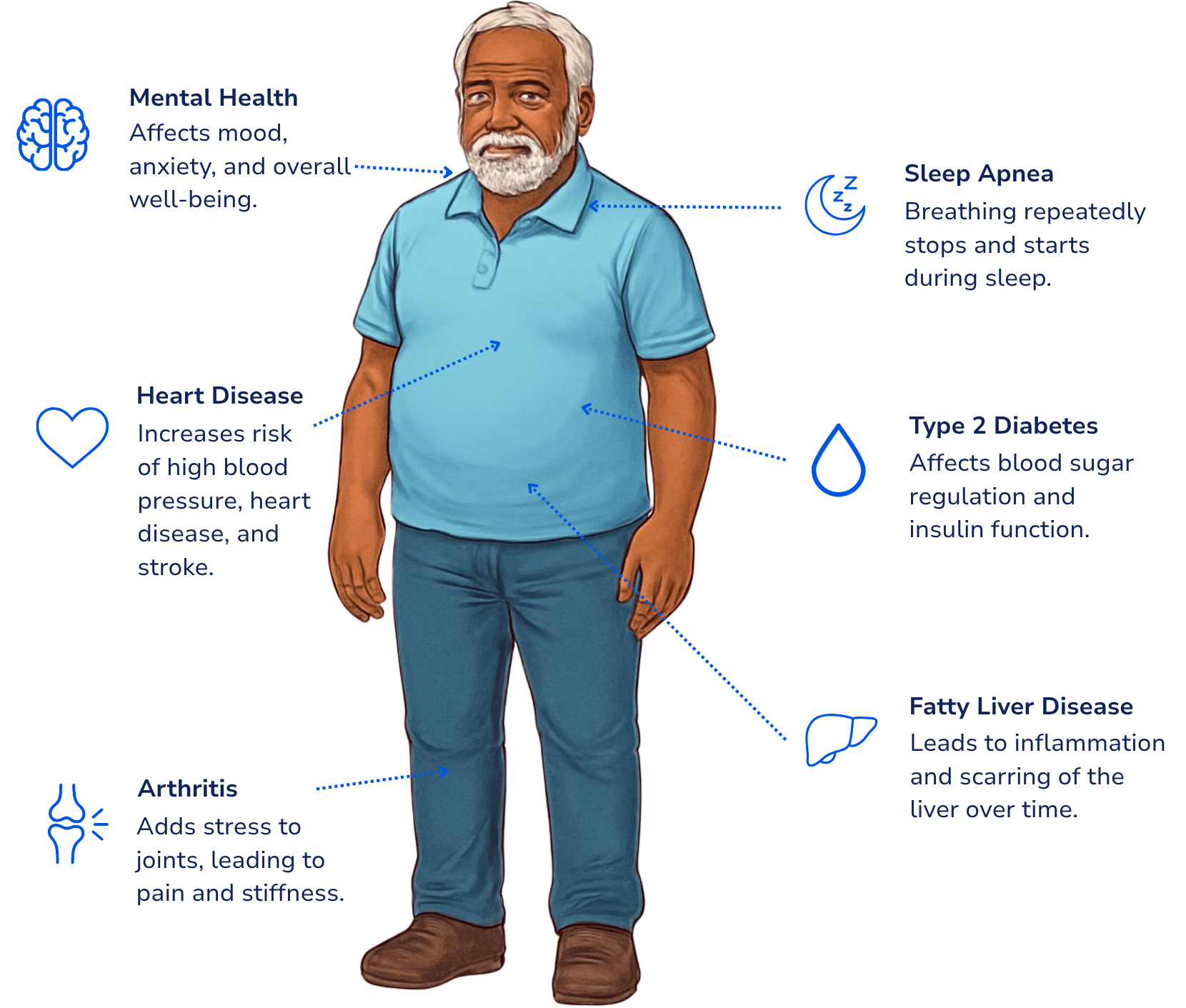
Obesity is linked to more than 200 related conditions, and care should treat the whole person.

Connected to type 2 diabetes, heart disease, sleep apnea, arthritis, and mental health conditions.

Needs ongoing management over time, not a one-time fix.

The goal is better overall health and quality of life, not just a lower number on the scale.
A COMPLEX DISEASE
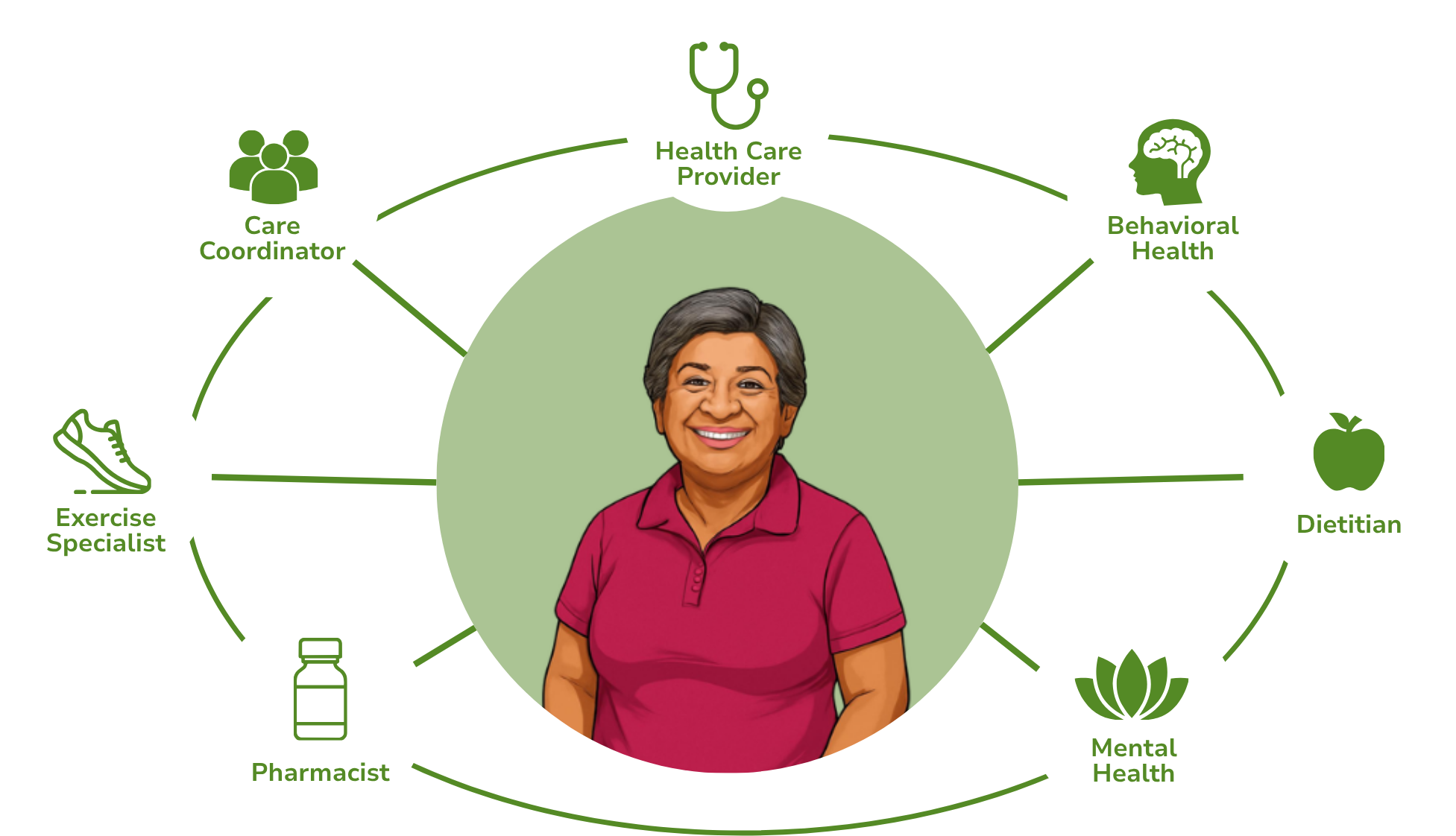
At the center of many factors.
Obesity develops from a mix of biology, environment, and behavior—there’s rarely one clear cause.
CAN BE TREATED
A real treatment path, built around you.
Clinical guidelines recommend care matched to the individual—often beginning with lifestyle intervention and progressing to medication or bariatric surgery when appropriate. Throughout every stage, people benefit from ongoing support, monitoring, and adjustments to help improve long-term health outcomes.
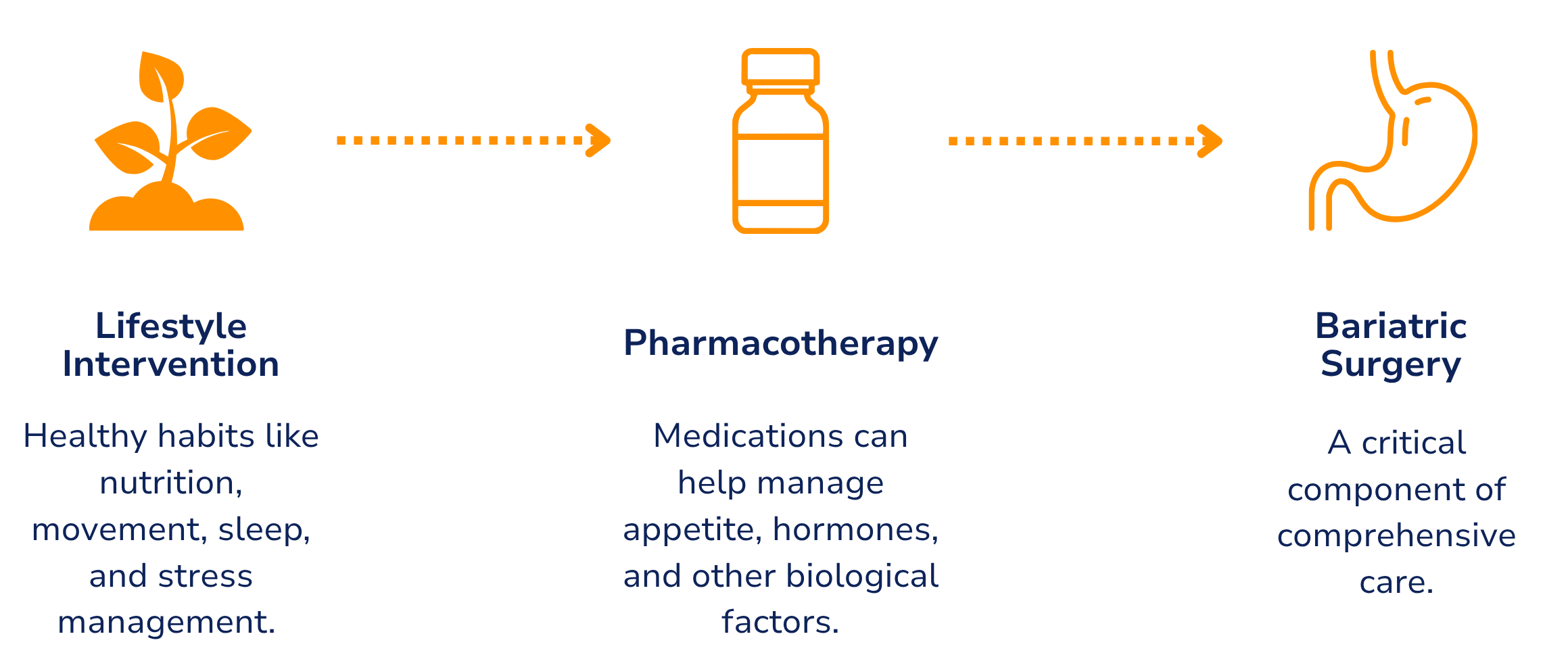

Guided by clinical treatment guidelines at every step.
Take Action
The Obesity Care Advocacy Network (OCAN) needs your help to address obesity.
Use your voice on important obesity issues by contacting your policymakers and encourage them to pass the Treat and Reduce Obesity Act (TROA), increase access to obesity treatment, address inequity in obesity care, and fight stigma and weight bias in the U.S.. Please click on any of the OCAN member organization name below to access their Action Center.









Get Involved
Interested in joining the Obesity Care Advocacy Network (OCAN)?
The Obesity Care Advocacy Network (OCAN) relies on the collective voice of healthcare leaders, patient advocacy organizations, and industry partners to drive meaningful policy change. Together, we can expand access to comprehensive obesity care, support critical legislation like the Treat and Reduce Obesity Act (TROA), and ensure individuals have access to the evidence-based treatments they deserve. Contact our team to learn more about joining our network.